The initially difficult freeze constantly reminds you where a roofing system is sincere and where it is delicate. On historic homes and spots buildings, that honesty shows up in the hairline fracture along a slate, the soft depression in an old cedar course, the valley where snow compacts after a dominating wind. Wintertime does not negotiate with heritage. It asks one concern: will certainly your roof hold shape under load and launch meltwater securely, or will certainly it let loose a sheet of ice that splits seamless gutters, dents copper, and jeopardizes everyone below?
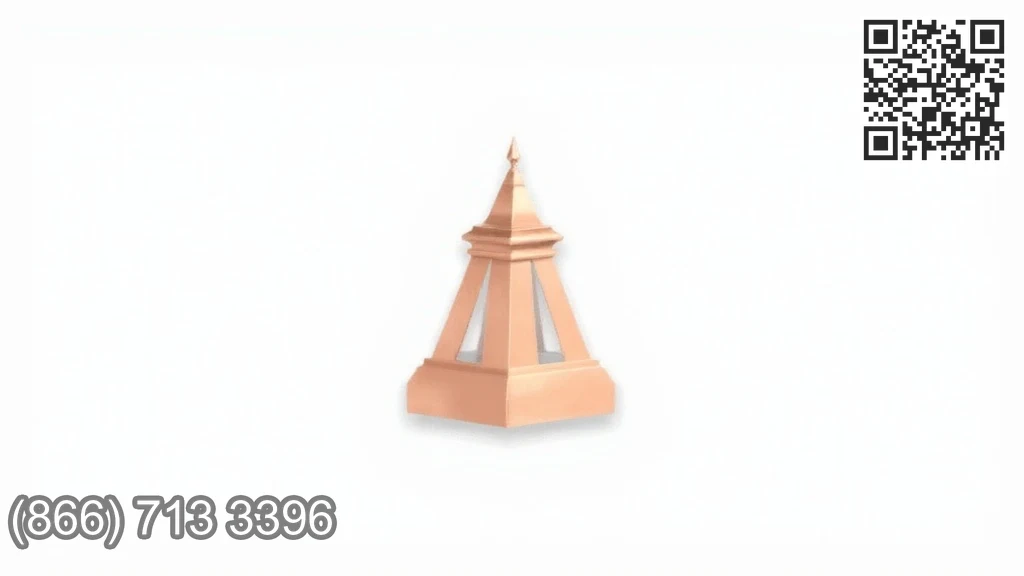
Snow guards are the quiet response. Set up well, they handle gravity with elegance. Mounted badly, they end up being decor that stops working when you need it most. When the roof carries a century of personality, off-the-shelf guards seldom appreciate the details that matter, from the bite of a hand-split cedar shake to the side account of ribbon slate. Customized snow guards, developed for a specific roofing and climate, protect more than roof shingles. They protect the story that your home tells.
The winter season problem no person sees throughout a walk-through
I have stood in yards after a thaw and mapped the arc where a snow slide took its course. The evidence is always certain: a curled copper rain gutter tugged at the splice, a divot in a boxwood, a finial bent like a reed. The reason is not a solitary tornado yet an accumulation cycle. Snow bonds to snow, after that to ice, and then to a warm day that deteriorates the user interface with the roof surface area. An entire panel releases, increasing as it slides. If it meets a dormer cheek, it chews the soldered seam. If it satisfies a plaza, it can wound a passerby.
Historic roof coverings are especially prone due to the products that provide their elegance. Slate has a smooth bosom plane. Aged cedar typically has actually decreased surface area texture. Terra-cotta and clay floor tiles are glazed. Metal standing seam, typical on carriage homes and cupolas, is practically a ski run as soon as a melt-freeze cycle begins. Heavy snows do not get here evenly, either. Wind loads collect snow on leeward slopes and in valleys. The risk points shift between seasons, which is why a rote spacing pattern of guards, mounted without a site-specific plan, winds up doing little bit more than inspect a box for insurance.
What makes a snow guard "customized" in practice
Custom does not indicate decorative for the sake of design. It implies the geometry, the accessory technique, the base plate, and the metallurgy are all picked for a certain roofing assembly and microclimate. On a 1905 slate mansard, for example, I seldom spec the very same guard for the high lower pitch when it comes to the top apartments. The tons characteristics transform, therefore do the thermal habits. On a 1920s Roof shingles Style with sweeping eaves, a tall-profile guard that disrupts a sliding sheet may be a better fit than a reduced pad that merely includes friction.
A proper personalized design begins with documentation. We map the roofing by incline, material, and add-on accessibility. We determine typical snow occasions for the ZIP code, but we likewise ask the caretaker and study wind patterns taped by nearby stations. We look for hints in the existing distress. That bend in the Custom-made Leader Boxes along the north elevation is not a crash. It marks a slide course that most likely repeats. If there are Personalized Dormers tucked into the eaves, their lower cheeks are red flags, due to the fact that they produce shadow lines where ice can anchor.
With that data, we build a guard design. Not a grid, however a collection of snow fences and pads that take care of both the first break and the downstream dispersion. In heavy-snow regions, I such as to see a cascading technique. The initial row is greater, recording mass, with succeeding rows at reduced accounts that keep the release controlled. On barrel ceramic tile or clay, the guard's base should value the floor tile crown and frying pan. On metal standing joint, a clamp-on guard that preserves the joint without infiltration is often the only accountable option, and the clamp supplier's torque specs become law.
Materials that respect the roofing and the weather
The steels we pick matter as much as the geometry. Brass and bronze have a lengthy document on slate and ceramic tile since they age sympathetically, and since they hold strings and pins with tenacity. Stainless-steel excels where salt spray is a factor, as in coastal towns where winter season and brine fulfill on windward encounters. Copper is traditional, a natural companion to Custom Finials and personalized cupolas that already stress the roofscape, yet it needs a thoughtful density to prevent contortion when a sheet of ice tests its will.
Galvanic compatibility can not be a footnote. If a roofing system depends on copper valleys and Customized Roof Vents, go down a mixed-metal fastener right into that valley and you introduce a slow-moving, foreseeable failure. A guard's base plate should match or be separated by authorized isolators. Fasteners need to be of equivalent or greater the aristocracy than the guard, and their heads ought to be concealed or gasketed to block capillary water. On historic slate, I will not enable a technology to go after a pilot opening without a stop collar, and we only make use of soft lead or butyl to backfill where the shank fulfills a countersunk plate. Mechanical integrity first, water monitoring 2nd, and visual nuance 3rd. In the deluxe rate, all three requirement to be perfect.
Attachment without remorse on slate, cedar, ceramic tile, and metal
Each historic roof covering material sets its own policies. The distinction in between an experienced install and a lifelong scar is 2 or 3 choices made on a cool morning.
Slate calls for perseverance and purpose-made tools. You raise, never ever pry. A hook ladder, a slate ripper, and an examination item are conventional set. The guard's base slides under the training course above and sits level on the slate bed, with fasteners set right into the deck or specialized barring. If the existing underlayment is really felt from the 1950s, you treat it with respect and include a membrane layer spot at every penetration. On slim ribbon slate, where the bed elevation varies, we shim with nonhydroscopic spacers to prevent cantilever stress and anxieties that can split the stone when it flexes in freeze-thaw.
Cedar drinks and shingles bring a different challenge. The wood compresses and moves with humidity. Guards that rely on limited rubbing at a solitary factor welcome crushing in time. Spread the tons with a wider base and secure into rafters or blocking, not simply the sheathing. Pre-drill, utilize ring-shank stainless, and treat every cut edge of the cedar with chemical. Older cedar has a breakable surface area layer. If a shingle splits, replace it after that and there. Do not leave a surprise fracture that will certainly blossom into a leak in March.
Clay and terra cotta ceramic tiles are ruthless. Penetrations through ceramic tile are last resources. https://pastelink.net/vkbi446c We reach for strap-style guards that anchor to the deck and emerge in a joint, dispersing the force over numerous tiles and enabling the thermal expansion that ceramic tile roofing systems require to stay healthy and balanced. With floor tiles that vary in density, custom-fabricated saddle shims maintain the band degree to make sure that the visible aspect stays square to the eye from the courtyard below.
Standing joint steel requires non-penetrating clamps that match the seam profile. Every supplier releases a torque array for set screws. We follow it. Over-torque warps the seam and damages the paint system, which later on comes to be a corrosion website. In high-load areas, a continuous snow rail connected to numerous seams spreads pressures evenly and sets visually with Custom-made Smokeshaft Shrouds and leader heads currently existing on the building.
The peaceful deluxe of correct spacing
Guests never enhance the format of snow guards. That belongs to the charm. They should look inescapable, like they belong. The math behind them is anything yet casual. Spacing and quantity come from load estimations that start with snow thickness. Fresh powder can balance 3 to 5 pounds per cubic foot, while damp, late-season snow compacts up to 20 pounds per cubic foot or more. Convert projected snowfall occasions into roofing system lots by slope-adjusted area, then layer in security variables. I regularly prepare for 30 to 40 extra pounds per square foot in New England seaside towns where ocean dampness fattens storms. Mountain valleys can require more.
Slope lowers the effective buildup, yet it enhances rate if a slide begins. That trade-off educates row spacing. On a steep slate mansard, guards concentrate above access, bays, and sidewalks. Over valleys and eaves with Custom-made Leader Boxes, I like a two-tier approach to slow a slide prior to it reaches copper. On long metal runs, constant rails break the sheet right into manageable sections that thaw incrementally, avoiding the avalanche effect.
Historic façades often existing balanced elevations that request in proportion rhythms. Custom guards permit us to line up rows with dormer sills, cornice lines, and window heads, a rhythm that signs up to the eye even if a passerby can not name it. It is a tiny high-end, the kind that separates a well-considered restoration from a rushed retrofit.
Integrating with other architectural steels for a coherent expression
Snow monitoring should never ever look like an afterthought set down on a roof covering that or else sings. If a home currently lugs Customized Finials at the gables, the guard accounts can resemble their taper or their knuckle detail. If the residential or commercial property has custom cupolas with louver structures in patinated copper, guards in the exact same alloy will age jointly. On tasks where we have made Custom Smokeshaft Shrouds with scrolled aprons or skirted panels, we draw a silent motif, a chamfer or a reveal line, right into the guard post or bracket. The objective is not to scream, but to belong.
Think of the roofing as an environment. Custom Roofing system Vents equilibrium consumption and exhaust. Customized Dormers form light and air. Personalized Leader Boxes manage runoff in vogue, converting a practical need into a crafted information. Custom Snow Guards include the safety piece, but the very best of them additionally complete the make-up. A home directed by one steel shop and one design intent reads as a solitary job. Salvo Metal Works has belonged to several of my favored examples of this, where a guard order comes to be the stimulant to unify mismatched metals and ages on a roofscape.
A field instance: slate estate with 4 wintertimes of proof
A client brought us a 1928 slate manor with montaged repairs and a history of ice slides that had damaged 3 areas of copper guttering in as years. The roofing system had a 14:12 lower pitch and a 6:12 top, with a series of arched dormers on the south and 2 high smokeshafts near a porte-cochère on the east. We recorded snow loads from the previous decade and spoke with the caretaker, who noted that the most awful slides occurred two days after nor'easter s, when temperatures recoiled right into the mid-30s.
Our layout used a mix of brass pad-style guards on the top field and a continuous bronze rail over the porte-cochère. The pads were set in 3 staggered rows at 30 to 34 inches on center horizontally, tighter over the dormers where wind combed the field and afterwards dumped snow right into the cheeks. The continuous rail spanned 3 bays, clamped to the standing seams of a copper transition that had been mounted in the 1990s. We changed the dissimilar stainless bolts on nearby Custom-made Leader Boxes with silicon-bronze to preserve compatibility.
Installation took 5 cool days with a three-person crew. We coordinated with a slate conservator to change fifteen jeopardized slates uncovered during format. Aesthetically, the guards vanish till snow gets here, at which point they do an elegant job breaking the mass into a top sheet that discards safely and a base layer that melts in place. Four winters later on, the garden enthusiast reports no more crushed hedges, and the copper seamless gutters have actually stayed true. The owner's only comment, supplied with a smile, was that the roofing system lastly "relaxes."
When to specify snow rails, pads, or hybrids
Rails and pads are not visual options alone. They solve different issues. Pads raise friction across the field, encouraging the snowpack to lock to the roof and thaw gradually. Rails intercept and hold, acting as fences that stand up to a moving mass. On brief runs and moderate pitches, pads are frequently enough. On lengthy metal runs and steep slate near inhabited walkways, rails include a margin of security that insurance insurers appreciate.
Hybrid methods shine on intricate roofs. A row of pads over a dormer softens the autumn line, while a rail 2 programs greater records the bulk. On turrets and conelike roof coverings, custom radial rails can be fabricated to adhere to curvature, however they need specific themes and thoughtful bracket spacing to take care of torsion. Where sightlines are delicate, such as a formal frontage, we often bring the profile down a quarter inch and include a 2nd, surprise row above to compensate for lowered mass in the initial. The decision always connects back to tons math and the lived actions of tornados at that address.
Respecting preservation requirements while upgrading safety
Historic areas and preservation boards rightly guard against intrusive adjustments. Snow guards can be protected as relatively easy to fix components that secure historical material. To satisfy review, offer scaled drawings, material examples, patina examples, and pictures that show sightlines from public methods. Note the setup's reversibility and its very little influence on original materials. On National Register homes, mention precedent. Slate roofs from the 19th century frequently had cast-iron or bronze guards. You are not introducing an uniqueness, you are restoring a shed layer of sense.
When a project asks for replication of period guard layouts, personalized spreading or CNC milling from patterns allows near-perfect matches to historical pictures. I have appointed recreations of late-Victorian rosette guards with brass blog posts and leaf scrolls that would certainly make their initial makers happy. They hold snow, yes, however they additionally hold a place in the structure's lineage.
The choreography of installment timing
There is an appropriate season to set up snow guards: long before the initial flurries, preferably in late summer season or very early loss when the roof covering is completely dry, the days are long, and fabrication lead times can be soaked up. Complex custom-made work, particularly if it requires to collaborate with brand-new Personalized Chimney Shrouds, vents, or rebuilt dormer cheeks, might run 8 to twelve weeks from field procedure to setup. Copper patination timetables consider as well. If the roof covering currently provides a mature penny-brown tone, fresh copper will certainly scream for a period or more before it silences. If discernment issues, pre-patinated products or a conservative oxide surface can link that gap.

Winter installs are feasible in emergencies, yet they are not enjoyable or optimal. Adhesives and sealants lose elasticity in the cold. Slate becomes fragile. Ceramic tile chips much more quickly. The crew relocates slower with safety and security equipment layered on. If you must proceed, include time to the schedule, prepare for staged snow removal in the job zones, and choose a specialist that comprehends cold-weather procedure rather than one that assures summertime rate in January. That assurance is always a tell.
Maintenance that secures the investment
Snow guards are not a set-and-forget workout, but their treatment is straightforward. A spring walk of the roofing system will certainly find most issues. Try to find shifted pads where an effect may have torqued a base plate, loose rail braces, and sealant that has actually matured out around infiltrations. On slate and tile, a light hand success. Touch absolutely nothing with a heavy boot. If a guard took a struck from falling ice, replace it. Steel fatigue has a way of disclosing itself at the least practical moment.
If your roofing system consists of various other customized steels, incorporate their evaluation. Custom Roof covering Vents need their bird displays inspected and their flashings free from particles. Custom Leader Boxes take advantage of a rinse and a check out seams. Custom-made Dormers, specifically on the north altitude, might gather moss where a color line satisfies moist air. A few hours in April will save a hopeless employ February.
Here is a small pre-winter checklist I utilize when historical properties call for preparedness:
- Review the prior wintertime's problem spots with the caretaker. Try to find patterns and brand-new issues. Inspect guard rows for placement, fastener integrity, and movement at braces or pads. Clear valleys, scuppers, and leader heads. Validate warm wires, if existing, are functional. Photograph all altitudes for baseline contrast after very first snow events. Confirm warranties and solution contacts for any guard systems with exclusive hardware.
Budgeting with candor
Clients occasionally ask if snow guards spend for themselves. On a basic gable with asphalt roof shingles and no pedestrian direct exposure, probably not. On a slate roofing system with customized copper and a marble balcony below, they do. A solitary ice sheet can break the soldered seam in a ten-foot seamless gutter area. Replacement, including scaffolding and matching aging, may face 4 numbers per section. Include a damaged dormer cheek or a dinged up Customized Leader Box, and a moderate guard system begins to resemble prudence. The array for personalized installments is vast. Little residences may see an investment from the high four numbers to the low 5 figures. Huge estates or institutional buildings with intricate roofs and considerable rails can go beyond that, particularly if control with other metalwork is needed. The precision and metallurgy you select, along with website accessibility, drive expense greater than the guard count itself.
The intangible return is comfort. There is a deluxe in not holding your breath at the initial thaw. Owners that have spent deeply in reconstruction understand this calculus naturally. They selected lime mortar over fast solutions, they sourced matching rock, they restored cornices in copper. Snow guards become part of the same viewpoint: a sophisticated protection of the building versus the aspects it was birthed to face.
Why a solitary maker matters
Fragmented metalwork on a roof covering looks and acts like a committee decision. It ages unevenly. It welcomes galvanic conflicts. It misses out on the opportunity to develop a coherent narrative in metal. When one store lugs duty for Custom-made Snow Guards together with Customized Smokeshaft Shrouds, custom-made cupolas, Custom-made Finials, Custom Leader Boxes, and Customized Roofing System Vents, the job lines up not just in shade and sheen, but thoroughly, bolt strategy, and maintenance logic. Resistances match. Accounts talk with each various other across the roofline.
Shops like Salvo Metal Works, with a bench that understands both manufacture and area facts, bring that convergence to life. They will ask the picky inquiries that make designers love them and professionals roll their eyes, and afterwards they will deliver parts that fit, attach, and age as promised. On a historical roofing, that mix of craft, design, and respect is the difference in between a winter-ready installation and a winter months gamble.
A closing believed from a ladder rung
A couple of winters months ago, I was on a ladder outside a library annex, brushing light snow from a slate course to inspect exactly how a brand-new row of guards had settled. It was silent save for the periodic hiss of a passing vehicle on wet pavement. The guards captured the snow like a hand catching a sleeve, firm yet not aggressive. Listed below, a copper gutter lugged meltwater away with a soft patter. No drama, no final scrambles with roof rakes, no taped-off walkway. That is the ideal: a roof that fulfills winter months with composure.
For owners of historical homes, composure never takes place by mishap. It is the item of choices made in period and out, choices regarding metals and spacing, about how to connect a little bracket into a bigger story. Custom-made snow guards are plain pieces of that tale, yet they are crucial. They allow a beautiful roof keep its self-respect in the months that test it most. And they do it silently, which is one of the most glamorous motion of all.